
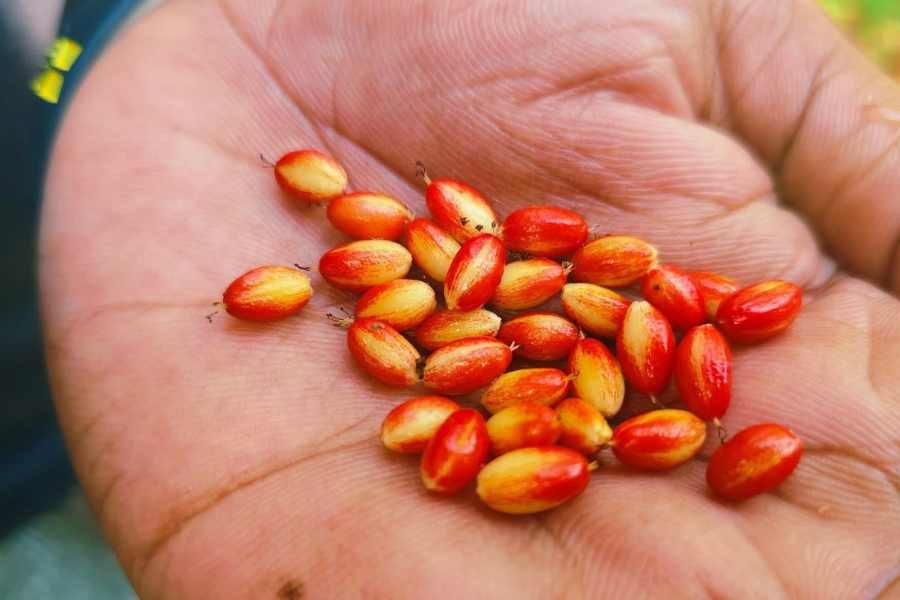
Introduction: The Role of Coca Seedlings in Botanical Study
The study of Coca Seedlings is a critical component of understanding the early development, structure, and adaptability of the Erythroxylum coca plant. Within the Erythroxylaceae family, this species has been examined extensively for its growth behavior, morphology, and response to controlled environments.
Unlike seed-based research alone, Erythroxylum coca live plants allow researchers to observe physiological processes after germination, providing a clearer view of early-stage plant development and environmental interaction.
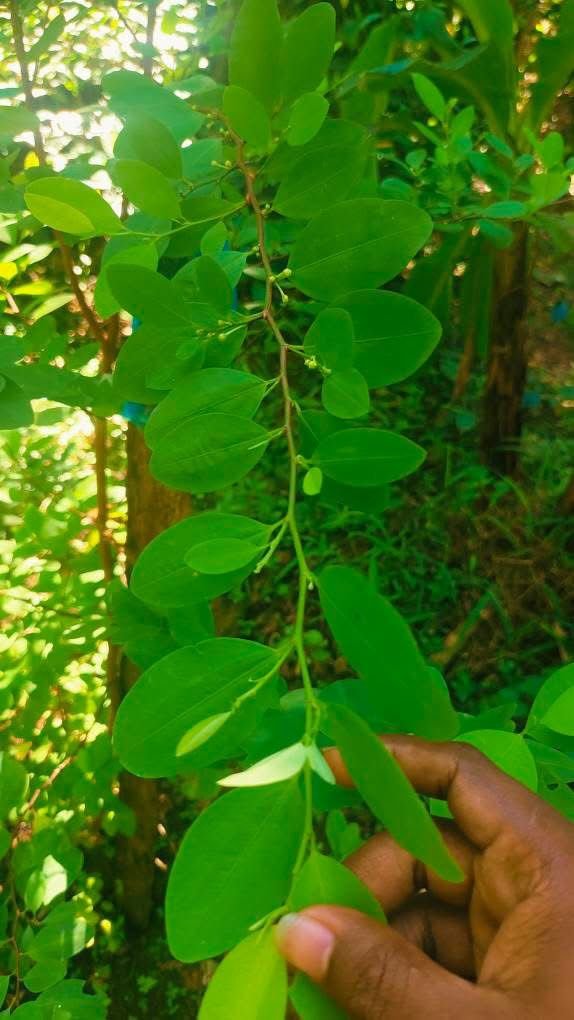
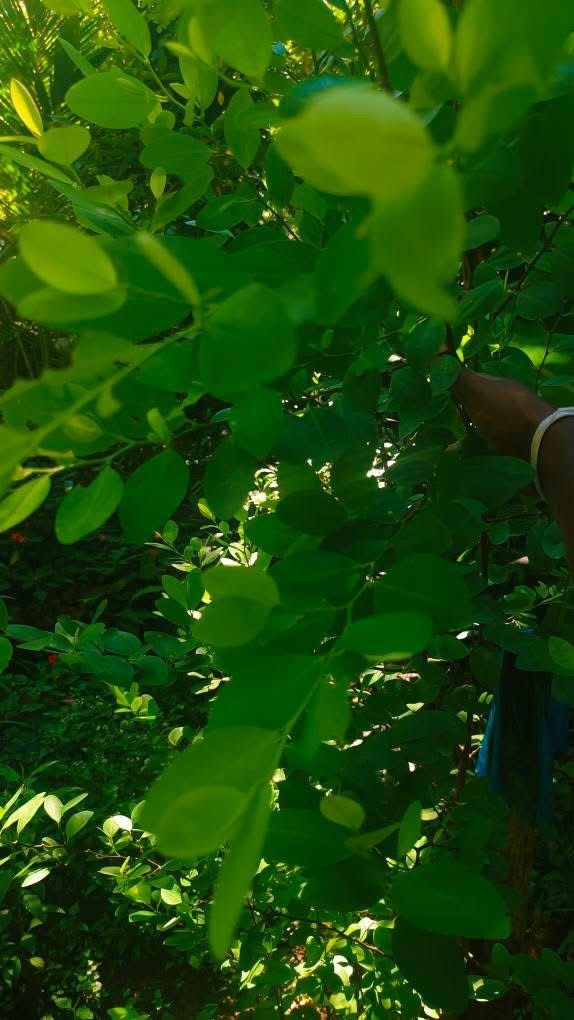
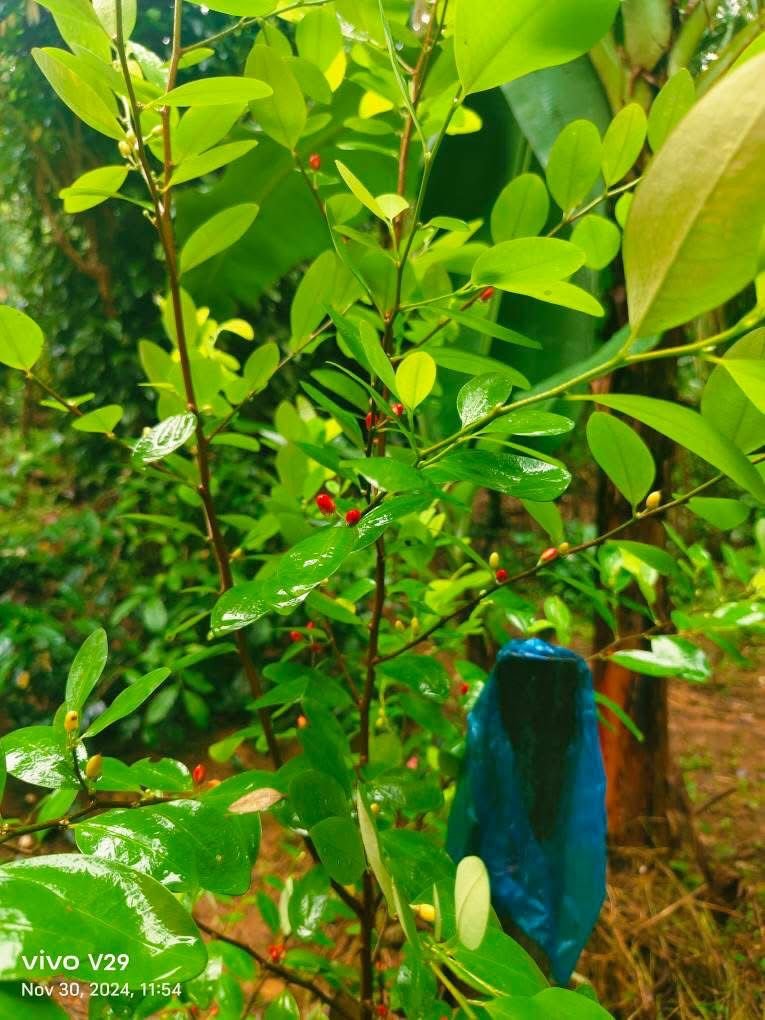
What Are Coca Seedlings?
Coca seedlings are young, actively growing plants cultivated from fresh Erythroxylum coca seeds that have successfully passed the germination phase. At this stage, the plant has established visible leaves, a developing stem, and an expanding root system.
From a research perspective, seedlings are particularly valuable because they:
- Eliminate variables related to seed dormancy
- Allow immediate observation of plant morphology
- Support comparative studies across related species
Researchers frequently compare coca seedlings with Erythroxylum novogranatense plants to assess differences in growth patterns, leaf structure, and environmental tolerance.
Botanical Characteristics of Erythroxylum coca Seedlings
In their early developmental phase, Erythroxylum coca seedlings display several identifiable botanical traits that make them suitable for controlled observation.
Key Characteristics
- Family: Erythroxylaceae
- Growth type: Evergreen shrub
- Leaf structure: Smooth, elliptical green leaves
- Stem: Flexible and lightly lignified
- Root system: Shallow but actively expanding
As seedlings mature, researchers track changes in leaf density, stem rigidity, and overall plant architecture, which contribute to long-term botanical documentation.
Importance of Live Coca Seedlings in Research
From a scientific standpoint, live coca seedlings offer advantages that seeds alone cannot provide. While seeds are essential for germination and viability studies, seedlings allow immediate evaluation of plant metabolism and adaptation.
Why Researchers Prefer Seedlings
Live seedlings are commonly used for:
- Botanical collections
- Plant morphology research
- Ethnobotanical documentation
- Comparative studies with Erythroxylum novogranatense varieties
Because seedlings are already established, they reduce uncertainty related to germination timing and allow consistent observation across research environments.
Observation Conditions in Controlled Environments
In botanical research settings, Erythroxylum coca seedlings are typically maintained under stable and carefully monitored conditions. These environments are designed to support observation rather than maximize growth speed.
Common research parameters include:
- Moderate humidity
- Indirect, filtered light
- Stable temperature ranges
- Minimal environmental stress
Such conditions enable researchers to document growth responses accurately while preserving plant health and integrity.
Comparative Research Within the Erythroxylum Genus
Comparative studies between Erythroxylum coca and closely related species such as Erythroxylum novogranatense are central to understanding evolutionary traits within the genus.
Seedlings are often examined for:
- Leaf size and shape variation
- Growth rate differences
- Environmental tolerance
- Structural adaptation
These observations contribute to broader botanical insights into tropical shrub development and species divergence.
Long-Term Botanical Significance
The flowering and maturation stages of the Erythroxylum coca plant are subjects of long-term research. By beginning observation at the seedling stage, researchers can document the full developmental lifecycle, from early growth through plant maturity.
Such documentation supports:
- Accurate botanical records
- Academic research publications
- Conservation-focused plant studies
Responsible Study and Documentation
The study of Coca Seedlings is conducted within academic, botanical, and collection-focused contexts where responsible handling and documentation are essential. Maintaining scientific accuracy and ethical standards ensures that plant research contributes positively to long-term botanical knowledge.
Conclusion
The study of Erythroxylum coca seedlings provides essential insight into early plant development, structural adaptation, and botanical significance. By examining live plants rather than seeds alone, researchers gain a deeper understanding of growth behavior and environmental response.
As interest in Erythroxylum coca live plants, seeds, and comparative species continues within academic and botanical circles, careful documentation of seedlings remains a vital part of preserving scientific knowledge for future research.