
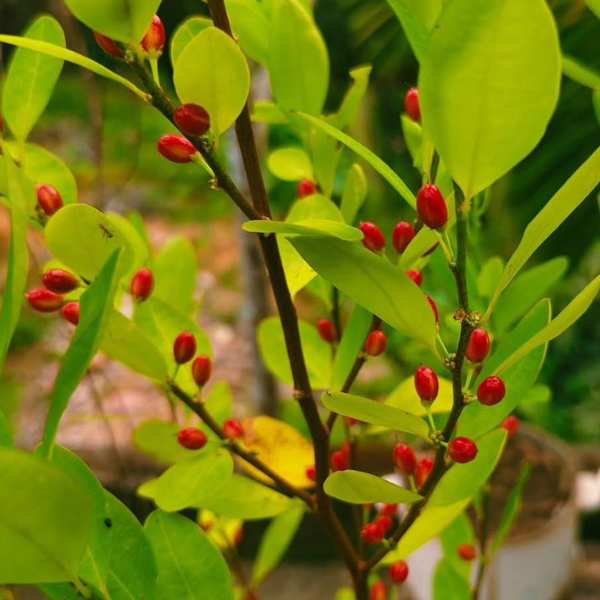
Introduction: Understanding the Erythroxylum Plant Group
The Erythroxylum plant genus contains numerous scientifically studied species, with Erythroxylum coca (Erythroxylum Plants) and Erythroxylum novogranatense being the most widely documented. These plants are of ongoing interest due to their structural characteristics, seed behavior, and adaptability across controlled and natural environments.
Botanical researchers, academic institutions, and collectors continue to examine these species to better understand tropical shrub development, seed viability, and comparative plant evolution.
This guide provides a structured overview of Erythroxylum plants, focusing on coca and novogranatense varieties, their seeds, and their relevance in botanical research.
Erythroxylum Coca Plant Overview
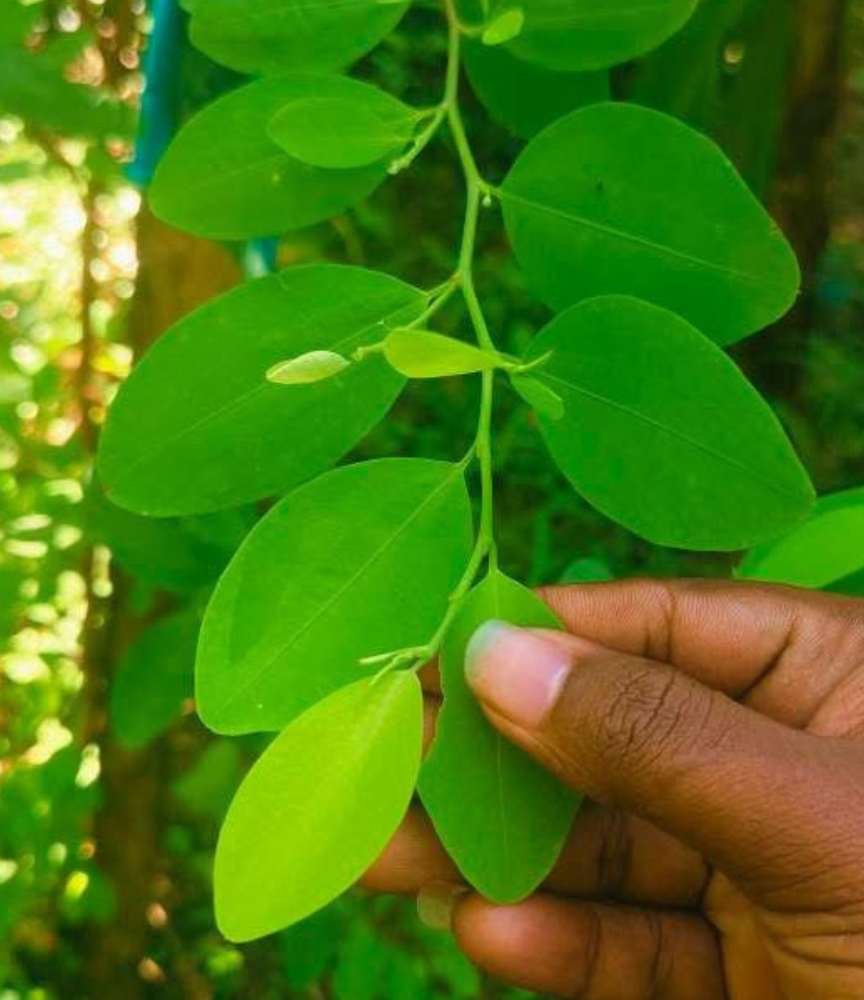
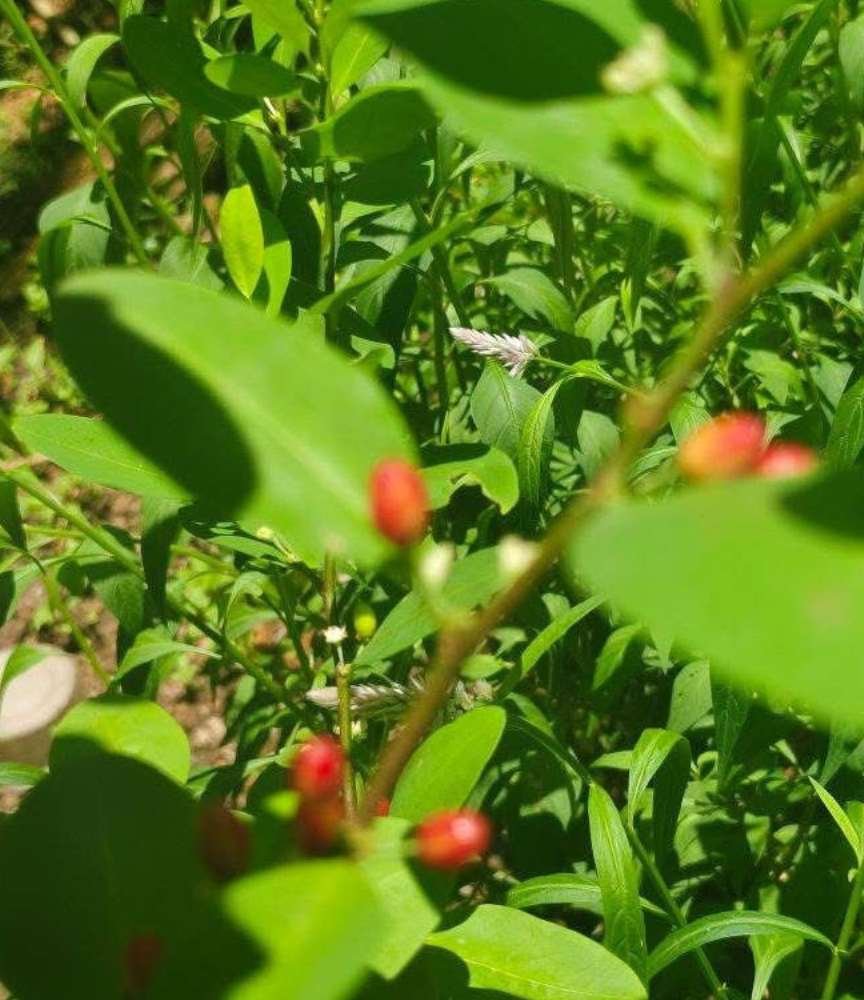
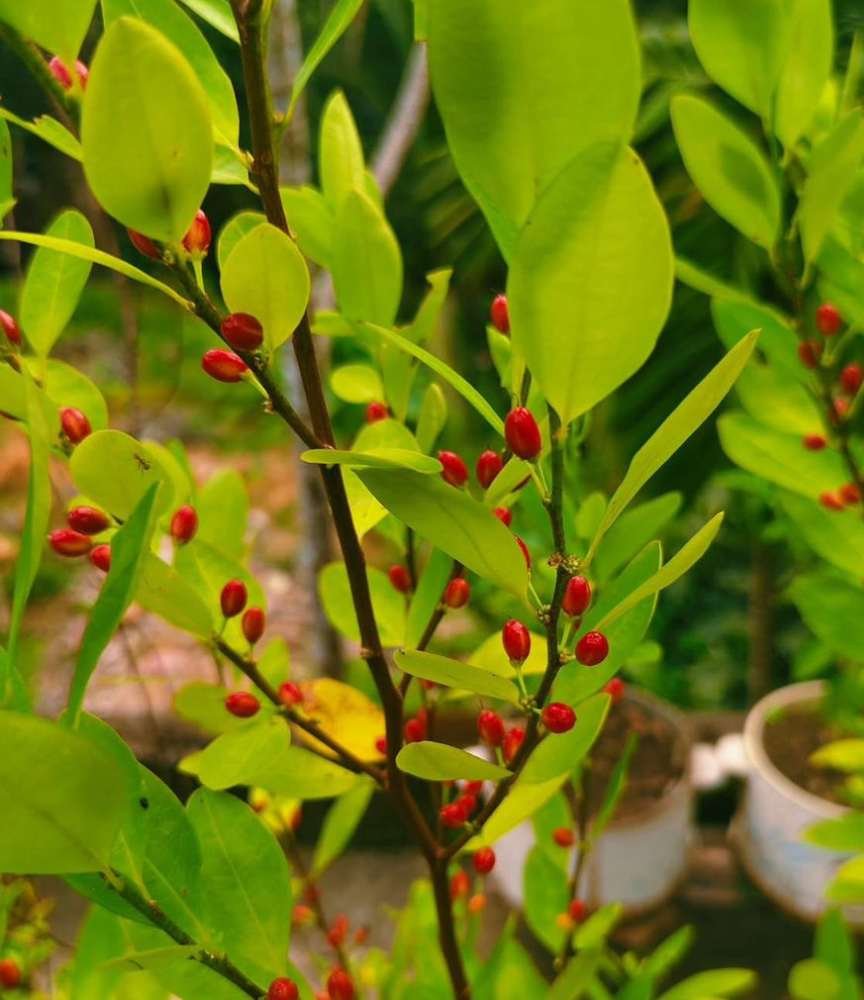
The Erythroxylum coca plant is a perennial evergreen shrub native to South America. It is characterized by smooth, glossy green leaves, small white flowers, and a compact growth habit that allows it to adapt well to controlled botanical environments.
Botanical Characteristics
- Perennial shrub with moderate height
- Broad, thin leaves with visible venation
- Seasonal flowering cycle
- Adaptable to warm, humid conditions
Researchers often study Erythroxylum coca to observe flowering behavior, leaf morphology, and seed development as part of broader tropical plant research.
Erythroxylum Coca Seeds: Botanical Properties
Erythroxylum coca seeds are small, oval-shaped, and biologically sensitive. Their viability is strongly influenced by storage conditions, environmental stability, and freshness.
Coca Seed Properties
| Seed Property | Botanical Observation |
|---|---|
| Viability | Short-lived if not preserved correctly |
| Germination Time | Typically 15–35 days |
| Preferred Temperature | 22–28°C |
| Light Requirement | Indirect light during early stages |
Due to these characteristics, coca seeds are frequently used in research focused on seed preservation, early-stage plant development, and controlled germination behavior.
Erythroxylum Novogranatense Plant Overview
The Erythroxylum novogranatense plant is closely related to coca but demonstrates greater tolerance to varied environmental conditions. This adaptability makes it particularly valuable for comparative botanical studies.
Key Plant Traits
- More resilient to climate variation
- Similar leaf and flower structure to coca
- Stable growth in controlled conditions
Botanical researchers often examine novogranatense plants alongside coca plants to understand evolutionary adaptation within the Erythroxylum genus.
Erythroxylum Novogranatense Seeds Explained
Erythroxylum novogranatense seeds are frequently selected for comparative trials due to their relatively stable germination behavior and resilience.
Comparative Seed Characteristics
| Characteristic | Novogranatense | Coca |
|---|---|---|
| Climate Tolerance | Higher | Moderate |
| Seed Robustness | More resilient | More delicate |
| Research Use | Comparative studies | Lifecycle analysis |
These differences allow researchers to study environmental response, seed durability, and species variation within a controlled research framework.
Seeds vs Plants: A Research Perspective
In botanical research, different plant stages provide different insights:
- Seeds support germination and viability studies
- Seedlings allow observation of early adaptation
- Mature plants support long-term morphological research
Both coca and novogranatense species are included in academic and botanical collections where permitted, offering valuable reference material for plant science.
Frequently Asked Questions
What is the main difference between coca and novogranatense plants?
Erythroxylum novogranatense generally shows greater environmental tolerance, while Erythroxylum coca is more sensitive but often exhibits faster early growth.
Can coca and novogranatense seeds be cultivated under similar conditions?
Yes. Both species prefer warm temperatures, moderate to high humidity, and indirect light during early growth stages.
Are these plants suitable for private or academic collections?
They are commonly included in botanical, educational, and academic collections where local regulations permit.
Research-Oriented Access and Botanical Context
Access to Erythroxylum seeds and plants is typically provided for educational, scientific, and botanical collection purposes. Accurate documentation, ethical sourcing, and responsible handling remain essential components of botanical research and plant conservation.
Researchers and collectors are encouraged to consult verified botanical references and institutional guidelines when studying Erythroxylum species.
Conclusion
The Erythroxylum plant genus, particularly coca and novogranatense varieties, continues to play an important role in botanical research and comparative plant studies. Differences in seed behavior, climate tolerance, and growth patterns provide valuable insight into tropical plant adaptation and evolution.
By understanding the distinctions between these species, researchers and collectors can make informed decisions aligned with scientific inquiry and responsible botanical practices.