
Erythroxylum Coca Seeds: Botanical Heritage and Research Interest
Erythroxylum coca seeds are widely recognized for their deep cultural, historical, and botanical significance. Native to regions of South America, the Erythroxylum coca plant has been documented in academic literature for centuries due to its adaptability(How to cultivate Erythroxylum coca seeds), leaf structure, and ecological role in tropical environments.
Today, Erythroxylum coca seeds for sale are primarily sought by collectors, researchers, and botanical institutions interested in plant morphology, seed viability, and long-term preservation of tropical plant genetics.
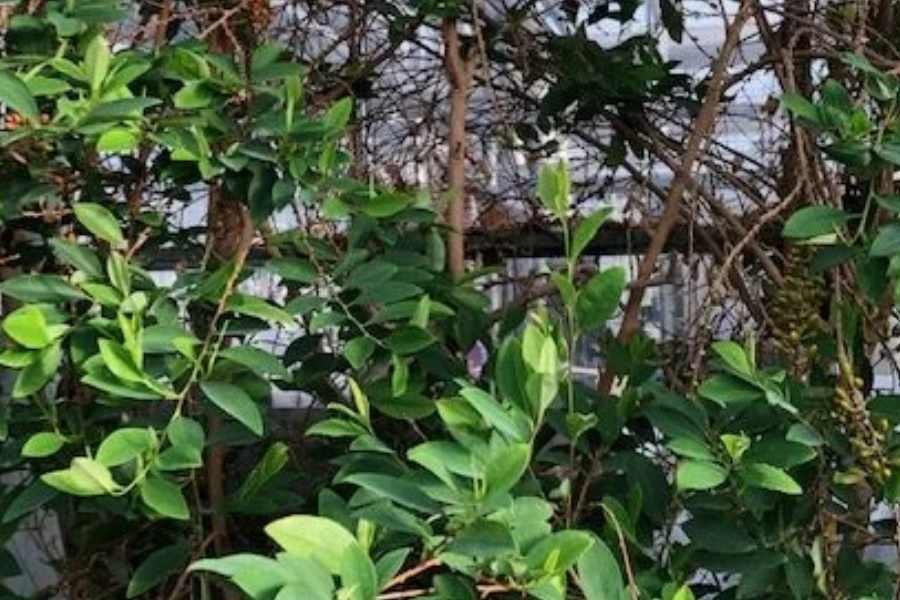
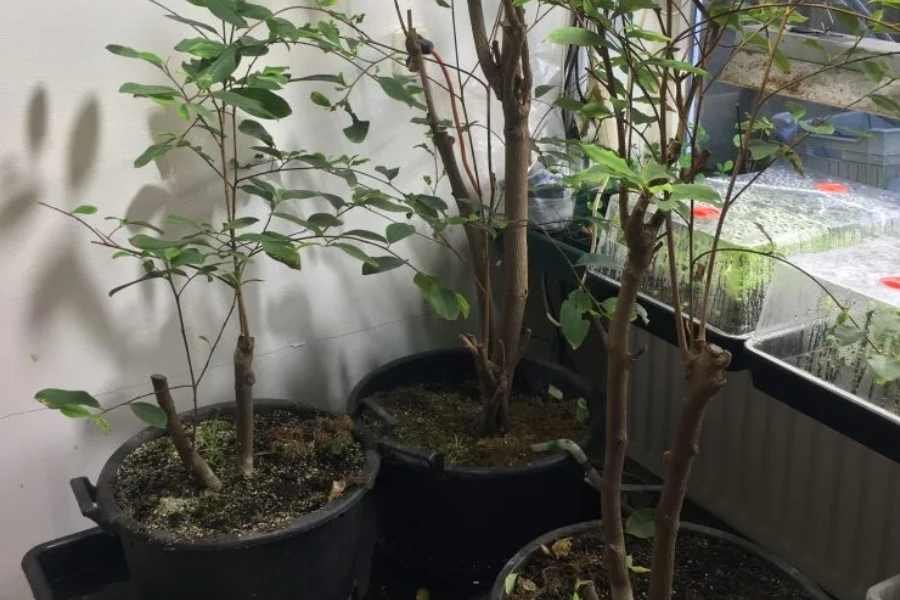
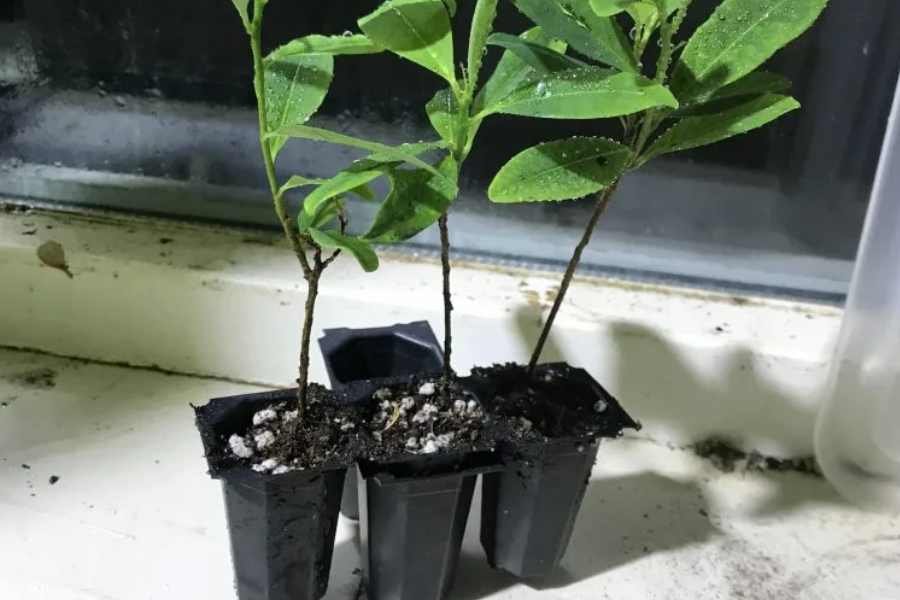
Natural Habitat and Environmental Characteristics
In its native range, the Erythroxylum coca plant develops in warm, humid regions, often within tropical valleys and elevated foothills. Botanical studies highlight the plant’s preference for stable temperatures, consistent moisture, and protected light conditions.
Researchers examining coca plants often focus on:
- Environmental adaptability
- Soil response characteristics
- Leaf development patterns
- Long-term plant resilience
These environmental factors are central to understanding how tropical shrubs respond to controlled and natural ecosystems.
Seed Viability and Germination Research
From a botanical perspective, the freshness period of coca seeds plays a crucial role in seed viability. Academic studies consistently note that coca seeds are sensitive to prolonged storage and require careful handling to preserve their natural condition.
Research-oriented discussions around how to germinate Erythroxylum seeds typically emphasize:
- Seed freshness and storage stability
- Moisture balance
- Temperature consistency
- Early-stage environmental protection
Such topics are commonly explored in university-led greenhouse trials and controlled botanical studies.
Botanical Significance of Erythroxylum Coca
Within the Erythroxylaceae family, Erythroxylum coca is one of the most extensively studied species. Its leaf structure, growth habit, and chemical composition make it an important reference plant in botanical and ecological research.
Researchers frequently examine:
- Coca plant alkaloid content by variety
- Comparative traits across Erythroxylum species
- Climate adaptability of tropical shrubs
- Long-term plant development cycles
These studies contribute to a broader understanding of tropical plant systems and biodiversity.
Comparison With Related Species
Botanical literature often compares Erythroxylum coca with closely related species such as Erythroxylum novogranatense. While both share similar morphology, differences in climate tolerance and growth behavior make them valuable for comparative research.
Readers interested in broader genus studies may also explore:
- Erythroxylum novogranatense growth guide
- Structural differences between species
- Environmental response variation
Longevity and Plant Observation
Under documented conditions, coca plants are observed to develop gradually over time, allowing researchers to study leaf production cycles and long-term plant behavior. Botanical observation focuses on plant vitality rather than yield, supporting ethical research practices.
Responsible Study and Sourcing
Access to Erythroxylum coca seeds for sale is typically intended for:
- Botanical research
- Academic study
- Private plant collections
Responsible handling, transparent sourcing, and regulatory awareness are essential components of ethical plant research.
Conclusion
Understanding how Erythroxylum coca seeds develop and adapt provides valuable insight into tropical plant biology and ecological resilience. While cultivation methods are studied in controlled research environments, the broader botanical value of this species lies in its contribution to scientific knowledge, conservation efforts, and historical documentation.
As interest in tropical plant research continues, Erythroxylum coca remains a significant subject within botanical studies worldwide.